This is the content of the pop-over!

Lightning Deal Alert – 12% Off Ends at Midnight!

Strike while the savings are hot! Use promo code FlashSale at checkout for 12% off any Exam Edge test or bundle. Hurry—the clock is ticking!

DHA Dental Hygienist (DHA-Hygienist) Practice Tests & Test Prep


DHA Dental Hygienist  product image
(4.9)
Based on 32 Reviews

  • Real Exam Simulation: Timed questions and matching content build comfort for your DHA Dental Hygienist test day.
  • Instant, 24/7 Access: Web-based DHA Dental Hygienist practice exams with no software needed.
  • Clear Explanations: Step-by-step answers and explanations for your DHA exam to strengthen understanding.
  • Boosted Confidence: Reduces anxiety and improves test-taking skills to ace your DHA Dental Hygienist (DENHY).

Featured on

DHA Dental Hygienist Online Practice Test Bundles

BEST VALUE
10 practice tests

$99.50

$299.50

SAVE $200

Only $9.95 per test!

  • 100% Pass Guarantee
  • 10 online practice tests
  • 70 questions per test
  • Bonus: 100 Flash Cards + Study Guide
  • Instant access
  • Detailed Explanations
  • Practice tests never expire
  • Timed, untimed, or study guide mode
5 practice tests

$59.75

$149.75

SAVE $90

Only $11.95 per test!

  • 5 online practice tests
  • 70 questions per test
  • Bonus: 100 Flash Cards + Study Guide
  • Instant access
  • Detailed Explanations
  • Practice tests never expire
  • Timed, untimed, or study guide mode
1 practice test

$29.95

  • 1 online practice test
  • 70 questions per test
  • Instant access
  • Detailed Explanations
  • Practice tests never expire
  • Timed, untimed, or study guide mode
Quick Select
Tap to choose a bundle

** All Prices are in US Dollars (USD) **


DHA Dental Hygienist (DENHY) Resources

Jump to the section you need most.

Understanding the exact breakdown of the DHA Dental Hygienist test will help you know what to expect and how to most effectively prepare. The DHA Dental Hygienist has 70 multiple-choice questions . The exam will be broken down into the sections below:

DHA Dental Hygienist Exam Blueprint
Domain Name
Basic Anatomy and Physiology  
Patient Assessment and Diagnosis  
Treatment Planning and Disease Prevention  
Medically Compromised and Patients with Special Needs  
Microbiology and Pathology  
Preparation for Appointment  
Patient Management and Instrumentation  
Community Dental Hygiene  
Ethics  

DHA Dental Hygienist Study Tips by Domain

  • Map oral innervation: maxillary teeth/periodontium via CN V2 and mandibular via CN V3; red flag—numb lower lip/chin after mandibular procedures suggests inferior alveolar or mental nerve involvement.
  • Know major salivary glands and ducts (parotid/Stensen’s, submandibular/Wharton’s, sublingual multiple ducts); common trap—confusing Wharton’s duct opening at the sublingual caruncle with minor gland secretions on the floor of mouth.
  • Identify tooth-supporting structures: gingiva, periodontal ligament, cementum, alveolar bone; priority rule—attachment loss reflects migration of junctional epithelium apically, not simply gingival recession.
  • Differentiate enamel, dentin, and pulp: enamel is acellular/non-regenerative, dentin is vital and can form tertiary dentin, pulp is neurovascular; red flag—sharp lingering pain to cold suggests pulpal involvement rather than enamel-only sensitivity.
  • Understand bone physiology and healing: osteoblasts build, osteoclasts resorb, remodeling increases with inflammation; common trap—assuming radiographic bone changes appear immediately (they often lag behind clinical disease).
  • Review orofacial musculature and TMJ basics: muscles of mastication (masseter, temporalis, medial/lateral pterygoids) drive mandibular movement; red flag—deviation on opening typically points to ipsilateral lateral pterygoid/TMJ dysfunction.
  • Start every assessment with updated medical history, vitals, and ASA status; red flag: uncontrolled hypertension or chest pain symptoms — stop elective care and refer/activate emergency protocol.
  • Perform a structured extraoral/intraoral exam (head/neck, TMJ, mucosa, tongue, floor of mouth); common trap: failing to document lesion size, color, and duration — any lesion persisting >2 weeks needs referral.
  • Use periodontal charting (PD, CAL, BOP, recession, mobility, furcation) to classify disease; priority rule: bleeding on probing is an inflammation indicator — don’t dismiss it as “normal”.
  • Select radiographs based on individualized risk and clinical findings; red flag: taking routine full-mouth series without indication — justify exposure and ensure correct technique to avoid retakes.
  • Assess caries risk (diet, fluoride, xerostomia, past caries, appliances) and record findings; common trap: ignoring dry mouth from medications — it elevates caries risk and changes diagnosis.
  • Formulate a dental hygiene diagnosis from objective data and patient factors; contraindication cue: acute swelling, fever, or rapid onset pain suggests infection — defer elective instrumentation and refer for evaluation.
  • Prioritize disease control before elective procedures—stabilize active caries, gingival inflammation, or acute infection first; red flag: proceeding with whitening or sealants when plaque control is poor.
  • Match preventive therapy to caries risk: high-risk patients typically need prescription/high-fluoride regimens and short recall intervals; common trap: giving the same 6-month recall and OTC fluoride advice to everyone.
  • Periodontal prevention focuses on biofilm disruption and risk-factor control (e.g., smoking, diabetes)—document tailored self-care instructions; red flag: no individualized OHI despite bleeding on probing.
  • Apply evidence-based sealant planning for susceptible pits/fissures, especially in newly erupted molars; common trap: skipping isolation/moisture control, which predicts early sealant failure.
  • Integrate diet counseling into the plan by targeting frequency of fermentable carbohydrate exposures rather than just “sugar amount”; red flag: frequent sipping/snacking with no behavior goal set or follow-up.
  • Use radiographs and clinical findings to justify recall and preventive interventions—avoid overexposure; common trap: routine radiographs without documented indication or risk-based interval.
  • Take and document a complete medical history every visit, including OTC/herbals; red flag: unexplained chest pain, shortness of breath at rest, or recent hospitalization — defer elective care and refer.
  • Manage anticoagulants/antiplatelets by verifying indication and recent INR when applicable; common trap: stopping warfarin without physician guidance — prioritize local hemostasis and medical consult for high-bleeding-risk procedures.
  • For diabetes, schedule short morning appointments after meals/meds and have glucose available; red flag: signs of hypoglycemia (sweating, confusion) — give fast-acting carbohydrate and reassess before continuing.
  • For cardiovascular disease, limit stress and monitor vitals; practical cue: avoid epinephrine retraction cord and use minimal effective vasoconstrictor if blood pressure is uncontrolled (e.g., ≥180/110) — postpone elective treatment.
  • For infectious disease/immunocompromise (e.g., chemotherapy, transplant, advanced HIV), emphasize strict infection control and oral infection prevention; red flag: fever or ANC reported very low — defer invasive care and obtain medical clearance.
  • For special needs (cognitive, developmental, physical), use tell-show-do, shorter visits, and caregiver consent/communication; common trap: failing to assess swallowing/aspiration risk — modify positioning, suction, and home-care aids accordingly.
  • Distinguish microbial types quickly: bacteria (prokaryotes), fungi (yeasts/hyphae), viruses (obligate intracellular)—red flag: antibiotics do not treat viral lesions.
  • Know key oral infections and typical agents (e.g., candidiasis, primary herpetic gingivostomatitis, ANUG)—common trap: confusing wipeable pseudomembrane of candidiasis with non-scrapable leukoplakia.
  • Recognize periodontal pathogens and disease patterns (biofilm-driven, gram-negative anaerobes in periodontitis)—priority rule: emphasize mechanical biofilm disruption as first-line over relying on rinses alone.
  • Screen for potentially malignant disorders (leukoplakia, erythroplakia, nonhealing ulcers)—red flag threshold: any lesion persisting >2 weeks warrants referral for evaluation/biopsy.
  • Differentiate common radiographic/pathologic findings (caries vs. cervical burnout, periapical radiolucency vs. anatomic radiolucency)—common trap: misreading cervical burnout as root caries.
  • Link systemic disease signs to oral findings (e.g., diabetes—periodontal severity, immunosuppression—opportunistic infections)—contraindication cue: defer elective care and refer if uncontrolled infection with fever or rapidly spreading swelling is suspected.
  • Verify patient identity, consent, and updated medical history before setup; red flag: proceed only after clarifying anticoagulants, recent hospitalization, or allergy status (especially latex, chlorhexidine, local anesthetics).
  • Prepare operatory with standard precautions and proper PPE sequence; common trap: skipping hand hygiene or touching non-barrier surfaces with contaminated gloves during setup.
  • Set up sterilized instruments using intact packaging and chemical indicators; priority rule: if a pack is wet, torn, or indicator is absent/failed, treat it as non-sterile and reprocess.
  • Ensure sterilization documentation is current (cycle parameters, biological monitoring as required, and load traceability); red flag: missing spore-test records or no corrective-action note after a failed indicator.
  • Prepare radiography equipment with barriers and confirm exposure settings and pregnancy screening per policy; common trap: reusing sensor holders/bite blocks without verified sterilization between patients.
  • Position the dental chair, light, suction, and tray for ergonomic access and patient safety; red flag: unsecured cords or improperly placed sharps container increasing needlestick or fall risk.
  • Maintain correct operator/patient positioning (neutral wrist, fulcrum established) to prevent musculoskeletal strain; red flag: bending at the waist or working without a stable fulcrum increases missed calculus and clinician injury risk.
  • Choose instrumentation by deposit and anatomy (e.g., universal for general surfaces, area-specific for deep/narrow pockets); common trap: using a sickle scaler subgingivally can traumatize tissue and is contraindicated for root debridement.
  • For ultrasonic scaling, use light lateral pressure and continuous motion with adequate water lavage; red flag: insufficient water or dwelling in one spot risks thermal damage and patient discomfort.
  • Sharpen scalers/curettes routinely and verify with a test stick; priority rule: a dull instrument forces extra pressure, increases burnishing, and reduces calculus removal efficiency.
  • Apply standard precautions with instrument processing (cleaning, packaging, sterilization indicators) and avoid cross-contamination; common trap: failing to document/verify chemical or biological indicator results is a frequent compliance pitfall.
  • Manage patient comfort and safety with appropriate suction, bite blocks, and retraction, and monitor for aspiration risk; red flag: leaving small items unsecured in the oral cavity without gauze throat screen in high-risk patients.
  • Apply a systematic community assessment (demographics, disease indicators, resources, barriers) before proposing programs; red flag: jumping to solutions without baseline data or a defined target population.
  • Use indices and screening data (e.g., DMFT, CPI/PSR, plaque indices) to quantify need and justify priorities; common trap: reporting findings without stating criteria, limitations, or calibration steps.
  • Plan prevention by risk level (fluoride exposure, diet, tobacco, access to care) and match interventions accordingly; priority rule: allocate resources first to high-caries or high-periodontal-risk groups rather than “one-size-fits-all” education.
  • Implement infection control and cross-contamination prevention in community/field settings (portable equipment, waterlines, waste handling); red flag: lack of a sharps plan and documented sterilization/transport chain.
  • Address health promotion with culturally appropriate communication and measurable objectives (SMART goals); common trap: education sessions without an outcome measure (e.g., attendance-only, no behavior or clinical endpoint).
  • Know public health policy basics relevant to practice (scope, consent, referral pathways, documentation) and maintain clear follow-up protocols; red flag: screening without a referral mechanism or tracking system for urgent findings.
  • Maintain confidentiality at all times (including social media and messaging) — red flag: sharing de-identified images/details that still allow patient recognition.
  • Obtain valid informed consent before initiating care or changing procedures; common trap: proceeding after a vague “yes” without explaining risks, benefits, and alternatives in understandable terms.
  • Document accurately and contemporaneously; priority rule: never alter a record after the fact without an addendum (date/time, reason) — backdating is a serious violation.
  • Practice within scope and competence and refer when indicated; red flag: performing tasks reserved for a dentist or outside DHA-permitted duties even if “supervised.”
  • Manage conflicts of interest transparently; common trap: recommending products or services primarily for financial incentive rather than patient benefit.
  • Professional boundaries must be maintained; red flag: accepting substantial gifts, engaging in dual relationships, or communicating privately with patients in ways that blur clinical roles.


Built to Fit Into Your Busy Life

Everything you need to prepare with confidence—without wasting a minute.

Three Study Modes

Timed, No Time Limit, or Explanation mode.

Actionable Analytics

Heatmaps and scaled scores highlight weak areas.

High-Yield Rationales

Concise explanations emphasize key concepts.

Realistic Interface

Matches the feel of the actual exam environment.

Accessible by Design

Clean layout reduces cognitive load.

Anytime, Anywhere

Web-based access 24/7 on any device.
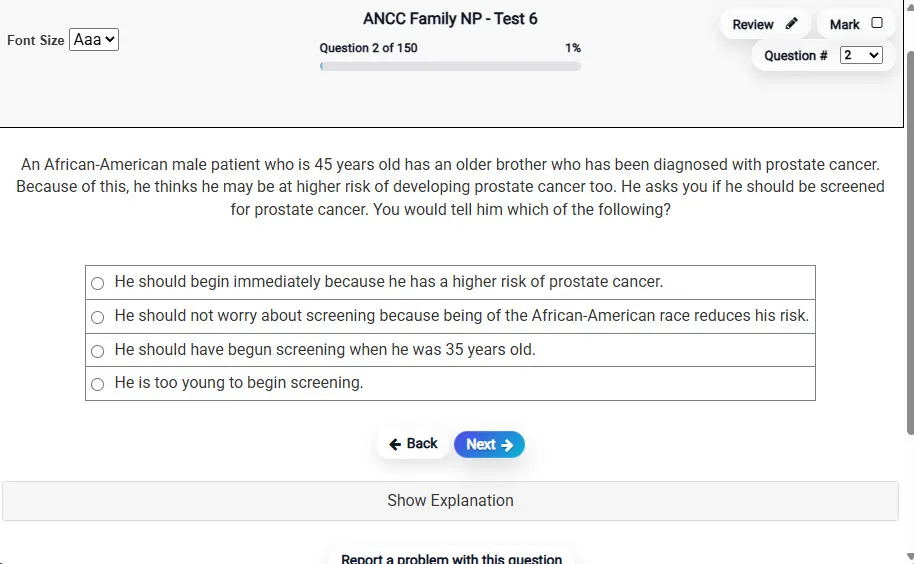
Answering a Question screen – Multiple-choice item view with navigation controls and progress tracker.
Answering a Question Multiple-choice item view with navigation controls and progress tracker.

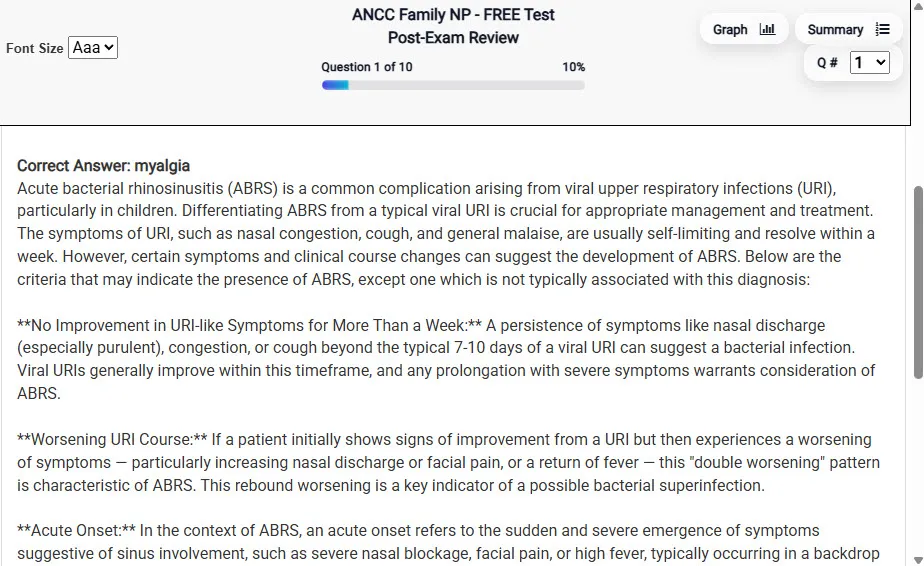
                           Detailed Explanation screen – 
                         Review mode showing chosen answer and rationale and references.
Detailed Explanation Review mode showing chosen answer and rationale and references.

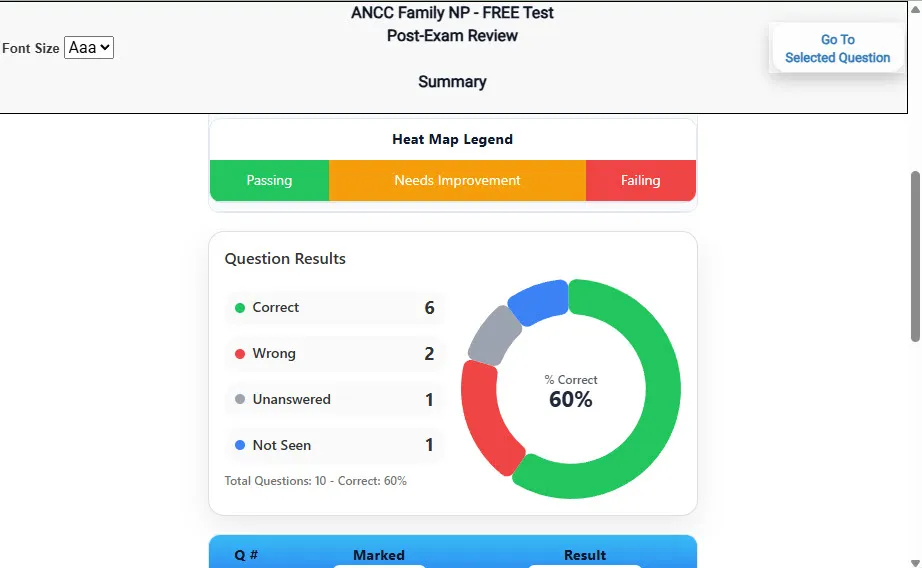
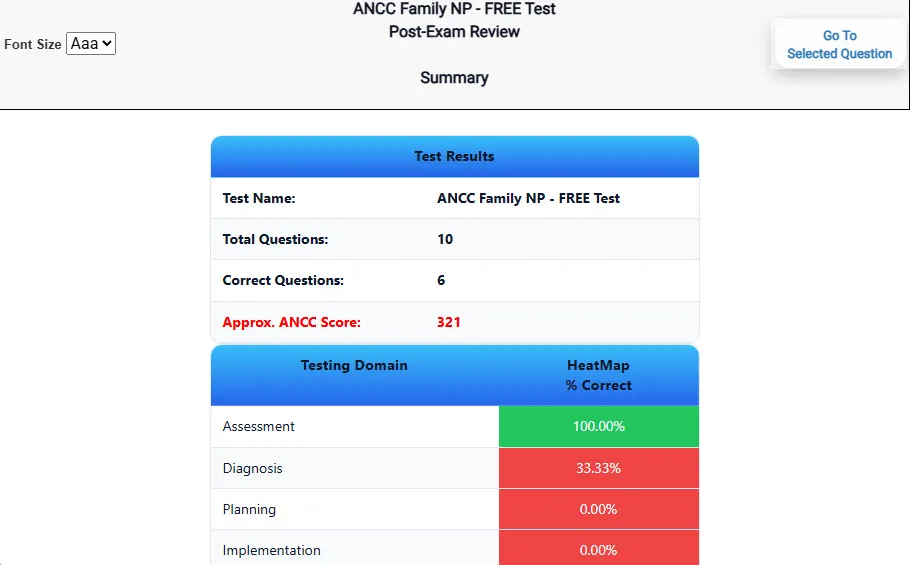
                           Review Summary 1 screen – 
                         Summary with counts for correct/wrong/unanswered and not seen items.
Review Summary 1 Summary with counts for correct/wrong/unanswered and not seen items.

                           Review Summary 2 screen – 
                         Advanced summary with category/domain breakdown and performance insights.
Review Summary 2 Advanced summary with category/domain breakdown and performance insights.

What Each Screen Shows

Answer Question Screen

  • Clean multiple-choice interface with progress bar.
  • Mark for review feature.
  • Matches real test pacing.

Detailed Explanation

  • Correct answer plus rationale.
  • Key concepts and guidelines highlighted.
  • Move between questions to fill knowledge gaps.

Review Summary 1

  • Overall results with total questions and scaled score.
  • Domain heatmap shows strengths and weaknesses.
  • Quick visual feedback on study priorities.

Review Summary 2

  • Chart of correct, wrong, unanswered, not seen.
  • Color-coded results for easy review.
  • Links back to missed items.

Top 10 Reasons to Use Exam Edge for your DHA Dental Hygienist Exam Prep

  1. Focused on the DHA Dental Hygienist Exam

    Our practice tests are built specifically for the DHA Dental Hygienist exam — every question mirrors the real topics, format, and difficulty so you're studying exactly what matters.

  2. Real Exam Simulation

    We match the per-question time limits and pressure of the actual DHA exam, so test day feels familiar and stress-free.

  3. 10 Full Practice Tests & 700 Unique Questions

    You'll have more than enough material to master every DHA Dental Hygienist concept — no repeats, no fluff.

  4. Lower Cost Than a Retake

    Ordering 5 practice exams costs less than retaking the DHA Dental Hygienist exam after a failure. One low fee could save you both time and money.

  5. Flexible Testing

    Need to step away mid-exam? Pick up right where you left off — with your remaining time intact.

  6. Instant Scoring & Feedback

    See your raw score and an estimated DHA Dental Hygienist score immediately after finishing each practice test.

  7. Detailed Explanations for Every Question

    Review correct and incorrect answers with clear, step-by-step explanations so you truly understand each topic.

  8. Trusted & Accredited

    We're fully accredited by the Better Business Bureau and uphold the highest standards of trust and transparency.

  9. Web-Based & Always Available

    No software to install. Access your DHA Dental Hygienist practice exams 24/7 from any computer or mobile device.

  10. Expert Support When You Need It

    Need extra help? Our specialized tutors are highly qualified and ready to support your DHA exam prep.


Pass the DHA Dental Hygienist Exam with Realistic Practice Tests from Exam Edge

Preparing for your upcoming DHA Dental Hygienist (DENHY) Certification Exam can feel overwhelming — but the right practice makes all the difference. Exam Edge gives you the tools, structure, and confidence to pass on your first try. Our online practice exams are built to match the real DHA Dental Hygienist exam in content, format, and difficulty.

  • 📝 10 DHA Dental Hygienist Practice Tests: Access 10 full-length exams with 70 questions each, covering every major DHA Dental Hygienist topic in depth.
  • Instant Online Access: Start practicing right away — no software, no waiting.
  • 🧠 Step-by-Step Explanations: Understand the reasoning behind every correct answer so you can master DHA Dental Hygienist exam concepts.
  • 🔄 Retake Each Exam Up to 4 Times: Build knowledge through repetition and track your improvement over time.
  • 🌐 Web-Based & Available 24/7: Study anywhere, anytime, on any device.
  • 🧘 Boost Your Test-Day Confidence: Familiarity with the DHA format reduces anxiety and helps you perform under pressure.

These DHA Dental Hygienist practice exams are designed to simulate the real testing experience by matching question types, timing, and difficulty level. This approach helps you get comfortable not just with the exam content, but also with the testing environment, so you walk into your exam day focused and confident.


Exam Edge DHA Reviews


Hi Ma'am, thank you so much. I cleared my DHA exam, and this time the question papers helped me a lot. I will surely recommend DHA prep to all my friends. Thanks once again.

Shafana ,

Very helpful and quick response.

Roxan , United Kingdom


DHA Dental Hygienist Aliases Test Name

Here is a list of alternative names used for this exam.

  • DHA Dental Hygienist
  • DHA Dental Hygienist test
  • DHA Dental Hygienist Certification Test
  • DHA
  • DHA DENHY
  • DENHY test
  • DHA Dental Hygienist (DENHY)
  • Dental Hygienist certification