This is the content of the pop-over!

Lightning Deal Alert – 12% Off Ends at Midnight!

Strike while the savings are hot! Use promo code FlashSale at checkout for 12% off any Exam Edge test or bundle. Hurry—the clock is ticking!

ABIM Rheumatology Practice Tests & Exam Prep Questions


ABIM Rheumatology practice tests

Pass the ABIM Rheumatology exam with confidence

Realistic practice tests, detailed explanations, and instant access—built to help you feel ready on test day.

Trusted by serious test takers
Real exam simulationInstant, 24/7 accessDetailed explanations
Instant access  •  No software required  •  Study at your pace
Featured on
ABIM Rheumatology Practice Test Realistic practice • Detailed explanations • Instant access
Choose your plan

Practice smarter. Walk in prepared.

Every plan includes realistic exam simulation, detailed explanations, and immediate online access.

ABIM Rheumatology Online Practice Test Bundles

BEST VALUE
5 practice tests

$69.75

$199.75

SAVE $130

Only $13.95 per test!

  • 100% Pass Guarantee
  • 5 online practice tests
  • 200 questions per test
  • Bonus: 100 Flash Cards + Study Guide
  • Instant access
  • Detailed Explanations
  • Practice tests never expire
  • Timed, untimed, or study guide mode
1 practice test

$39.95

  • 1 online practice test
  • 200 questions per test
  • Instant access
  • Detailed Explanations
  • Practice tests never expire
  • Timed, untimed, or study guide mode
Quick Select
Tap to choose a bundle

** All Prices are in US Dollars (USD) **


Everything you need

Exam resources

Clear answers and practical tools for every step of your exam journey.

ABIM Rheumatology (RHEUM) Resources

Jump to the section you need most.

Understanding the exact breakdown of the ABIM Rheumatology test will help you know what to expect and how to most effectively prepare. The ABIM Rheumatology has 200 multiple-choice questions . The exam will be broken down into the sections below:

ABIM Rheumatology Exam Blueprint
Domain Name % Number of
Questions
Basic and Clinical Sciences 7% 14
Crystal-induced Arthropathies 5% 10
Infections and Related Arthritides 6% 12
Metabolic Bone Disease 5.5% 11
Osteoarthritis and Related Disorders 5% 10
Rheumatoid Arthritis 13% 26
Spondyloarthritis 6.5% 13
Other Rheumatic and Connective Tissue Disorders (ORCT) 16.5% 33
Lupus Erythematosus 9% 18
Nonarticular and Regional Musculoskeletal Disorders 7% 14
Nonrheumatic Systemic Disorders 9% 18
Vasculitides 8.5% 17
Miscellaneous Topics 2% 4

ABIM Rheumatology Study Tips by Domain

  • Know the inflammatory vs noninflammatory synovial fluid cutoffs (e.g., >2,000 WBC/µL suggests inflammation; >50,000 raises septic arthritis concern)—red flag: treating “flares” without aspirating a hot monoarthritis.
  • Interpret serologies in pretest probability: RF and anti-CCP can be positive in other conditions, and low-titer ANA is common in healthy people—common trap: diagnosing SLE solely from ANA without clinical criteria.
  • Use ESR/CRP appropriately: CRP rises and falls faster than ESR and is less affected by age/anemia—priority rule: don’t use ESR/CRP to “rule out” inflammatory disease when symptoms are classic.
  • Apply imaging strengths: ultrasound/MRI detect synovitis and early erosions before plain radiographs—common trap: calling early inflammatory arthritis “normal” based on normal X-rays alone.
  • Recognize drug toxicities and monitoring basics (e.g., methotrexate hepatotoxicity/cytopenias; hydroxychloroquine retinal toxicity with risk rising at >5 mg/kg/day actual body weight)—contraindication cue: avoid methotrexate in pregnancy and significant liver disease.
  • Differentiate true myopathy/neuropathy from pain syndromes using patterns (proximal weakness, CK, EMG, reflexes)—red flag: objective weakness with elevated CK warrants evaluation for inflammatory myositis or statin-associated necrotizing myopathy.
  • Acute monoarthritis: perform arthrocentesis before antibiotics or intraarticular steroids; red flag — treat any hot swollen joint as septic arthritis until proven otherwise.
  • Synovial fluid microscopy: monosodium urate crystals are needle-shaped and negatively birefringent, whereas CPPD are rhomboid and positively birefringent; common trap — crystals do not exclude concomitant infection.
  • Urate-lowering therapy (ULT): do not start or stop allopurinol/febuxostat solely because of an acute flare; priority rule — if initiating ULT, co-prescribe flare prophylaxis (colchicine/NSAID/low-dose prednisone) for 3–6 months.
  • Colchicine use: adjust for renal impairment and avoid strong CYP3A4/P-gp inhibitors (e.g., clarithromycin) due to myotoxicity risk; contraindication — severe renal/hepatic disease with interacting drugs.
  • CPPD clues: consider hemochromatosis, hyperparathyroidism, hypomagnesemia, and hypothyroidism in recurrent or early-onset CPPD; practical cue — check magnesium and iron studies when presentation is atypical.
  • Biologic and imaging pitfalls: ultrasound “double contour” supports gout and chondrocalcinosis supports CPPD, but neither is definitive; common trap — overcalling gout based on serum urate (may be normal during a flare).
  • Suspect osteoporosis after a low-trauma fracture (hip, vertebra, proximal humerus, pelvis) regardless of BMD, and treat without waiting for DXA if a fragility fracture is confirmed—common trap is dismissing a “fall from standing” as high-energy.
  • Before starting antiresorptives, correct vitamin D and hypocalcemia and check renal function; red flag: give IV bisphosphonate or denosumab in untreated hypocalcemia and precipitate symptomatic hypocalcemia.
  • Differentiate osteomalacia from osteoporosis: low 25(OH)D with elevated alkaline phosphatase (often with hypophosphatemia) points to osteomalacia; common trap is treating “osteoporosis” with bisphosphonate when the real issue is mineralization failure.
  • Evaluate hypercalcemia by PTH first: elevated/inappropriately normal PTH suggests primary hyperparathyroidism (think nephrolithiasis, cortical bone loss), whereas suppressed PTH should prompt malignancy/vitamin D excess workup—red flag is ordering extensive malignancy testing before checking PTH.
  • For suspected Paget disease (bone pain, elevated ALP with normal transaminases, focal lesions), confirm with imaging and treat with bisphosphonate if symptomatic or at high-risk sites (skull, spine, weight-bearing bones); trap: attributing isolated ALP elevation to liver disease without checking GGT or bone-specific ALP.
  • In chronic glucocorticoid use (e.g., =2.5 mg prednisone equivalent for =3 months), prioritize fracture prevention early (calcium/vitamin D, fall-risk mitigation, and pharmacotherapy based on risk)—common ABIM pitfall is waiting for a repeat DXA after prolonged steroid exposure.
  • Classify RA with the 2010 ACR/EULAR criteria (joints + serology + acute-phase reactants + duration) and remember the ABIM trap: a single swollen large joint with negative serologies is often not RA—rule out crystal or infection first.
  • Start a treat-to-target strategy with frequent reassessment (about every 1–3 months when active) and early DMARD use; red flag: delaying methotrexate or using chronic prednisone as “bridge” beyond a short course increases infection/osteoporosis risk.
  • Methotrexate is first-line unless contraindicated—avoid in pregnancy and significant liver disease/alcohol misuse, and give folic acid; practical cue: check CBC/AST/ALT/Cr regularly and think “new dyspnea/cough” = possible MTX pneumonitis.
  • Before biologic/targeted synthetic DMARDs, screen for TB and hepatitis B and update vaccines; common trap: starting anti-TNF in an undiagnosed latent TB patient or giving live vaccines while on biologics/JAK inhibitors.
  • Recognize extra-articular disease (nodules, ILD, scleritis, vasculitis) and cervical spine involvement; red flag: neurologic symptoms or pre-op intubation planning warrants C1–C2 instability evaluation.
  • Manage comorbid risk aggressively—cardiovascular risk is elevated and glucocorticoids worsen it; practical cue: chronic NSAID/steroid use without GI and bone protection (PPI when high-risk, calcium/vitamin D and osteoporosis prevention) is a frequent board-style pitfall.
  • Suspect axial spondyloarthritis with chronic back pain >3 months starting before age 45 plus inflammatory features (morning stiffness, improvement with exercise, nocturnal pain)—red flag: pain worse with rest and better with activity.
  • Order MRI of the sacroiliac joints when plain films are normal but suspicion is high; common trap: relying on HLA-B27 alone (it supports but does not confirm the diagnosis).
  • First-line treatment is NSAIDs at adequate dose/duration before escalating; priority rule: reassess response after a true NSAID trial rather than jumping directly to biologics.
  • For persistent active axial disease, use a TNF inhibitor or IL-17 inhibitor; contraindication cue: avoid TNF inhibitors in demyelinating disease or severe heart failure.
  • Differentiate axial vs peripheral patterns and associated entities (psoriatic arthritis, IBD-associated arthritis, reactive arthritis); common trap: missing uveitis—acute painful red eye needs urgent ophthalmology.
  • Screen for infection risk prior to biologics (TB, hepatitis B) and update nonlive vaccines; red flag: do not give live vaccines while on biologic therapy or high-dose immunosuppression.
  • Systemic sclerosis: new dyspnea or declining DLCO is a red flag for pulmonary arterial hypertension or ILD—screen at least annually with echocardiogram and PFTs, and treat Raynaud’s/ulcers with vasodilators (avoid high-dose steroids due to scleroderma renal crisis risk).
  • Idiopathic inflammatory myopathies: proximal weakness with elevated CK warrants checking for interstitial lung disease and malignancy risk (highest in dermatomyositis)—don’t mistake normal CK for “no myositis” when weakness is prominent or on steroids.
  • Sjögren syndrome: persistent parotid enlargement, palpable purpura, low C4, or cryoglobulinemia are lymphoma red flags—objective dryness testing (Schirmer/ocular staining) and anti-Ro/La help avoid overcalling sicca from meds/aging.
  • Mixed connective tissue disease/overlap: high-titer anti-U1 RNP with Raynaud’s and swollen hands suggests overlap—trap is anchoring on one label and missing organ threats (PAH/ILD) that drive prognosis and monitoring.
  • Relapsing polychondritis: auricular chondritis sparing the lobule and hoarseness/stridor are airway red flags—avoid assuming “otitis externa” and consider urgent airway evaluation when respiratory symptoms occur.
  • Antiphospholipid syndrome: unprovoked thrombosis or pregnancy morbidity plus persistent antibodies (repeat =12 weeks apart) supports diagnosis—common trap is ordering/acting on transient low-titer anticardiolipin during acute infection.
  • Suspect lupus nephritis with new proteinuria or hematuria—don’t rely on creatinine alone; persistent proteinuria (=0.5 g/day or UPCR =0.5) is a biopsy trigger.
  • When disease activity is in question, prioritize complements and anti-dsDNA over ANA titers—a falling C3/C4 with rising dsDNA is a common flare pattern (trap: ANA stays positive regardless of activity).
  • Always keep hydroxychloroquine as baseline therapy unless contraindicated—red flag is missed retinal screening (baseline, then typically annually after 5 years or earlier if high-risk).
  • Differentiate antiphospholipid syndrome from lupus flare in thrombosis or pregnancy loss—confirm with persistent lupus anticoagulant/anticardiolipin/anti-ß2GPI positivity =12 weeks apart (trap: treating acute thrombosis with DOACs in high-risk triple-positive APS).
  • Neuropsychiatric symptoms need exclusion of infection and steroid psychosis first—priority rule: immunosuppression for NPSLE only after ruling out mimics (red flag: fever, neck stiffness, neutrophilic CSF).
  • Vaccination and infection prevention are testable safety points—contraindication: avoid live vaccines on significant immunosuppression and screen for hepatitis B/TB before high-grade agents like cyclophosphamide or rituximab.
  • Distinguish inflammatory vs mechanical pain: morning stiffness >60 minutes, improvement with activity, and night pain are red flags for inflammatory disease rather than tendinopathy.
  • Evaluate suspected septic bursitis (olecranon/prepatellar) with aspiration before antibiotics when feasible; red flag is overlying cellulitis or fever—treat as infection until proven otherwise.
  • Carpal tunnel syndrome: nocturnal paresthesias in thumb/index/middle with thenar weakness warrants urgent evaluation; common trap is missing cervical radiculopathy when symptoms extend proximal to the elbow.
  • Rotator cuff disease vs adhesive capsulitis: preserved passive ROM suggests cuff pathology, whereas loss of both active and passive ROM suggests frozen shoulder; contraindication is steroid injection without ruling out infection or fracture.
  • Low back pain with radicular features: progressive motor deficit, saddle anesthesia, or new bladder/bowel dysfunction is a cauda equina red flag requiring emergent imaging and referral.
  • Fibromyalgia: widespread pain with nonrestorative sleep and normal inflammatory markers should prompt nonpharmacologic first-line therapy (exercise/CBT); common trap is escalating opioids, which generally worsen function and hyperalgesia.
  • Differentiate inflammatory myopathy from endocrinopathy/toxic myopathy: CK elevation plus proximal weakness supports myositis, while statin toxic myopathy can persist with anti-HMGCR antibodies—red flag is dysphagia or rapidly progressive weakness prompting urgent evaluation.
  • Screen systemic endocrine causes of musculoskeletal pain: hypothyroidism can mimic inflammatory arthritis with effusions/carpal tunnel, and hyperparathyroidism causes bone pain with subperiosteal resorption—trap is treating as RA without checking TSH and calcium/PTH.
  • Recognize paraneoplastic rheumatic syndromes: new-onset polymyalgia-like symptoms, hypertrophic osteoarthropathy, or refractory seronegative arthritis warrants malignancy workup—red flag is constitutional symptoms or atypical age/course for classic rheumatic disease.
  • Assess hepatic/renal drivers of joint symptoms: hepatitis C can cause intermittent oligoarthritis/cryoglobulinemia and ESRD can cause dialysis-related amyloid arthropathy—priority rule is to test for HCV and review renal replacement history before escalating immunosuppression.
  • Identify hematologic/systemic infiltrative mimics: amyloidosis can cause shoulder pad sign, carpal tunnel, and nonerosive arthropathy—red flag is nephrotic-range proteinuria or unexplained cardiomyopathy alongside musculoskeletal complaints.
  • Handle diabetes-related musculoskeletal disorders: limited joint mobility, adhesive capsulitis, and diabetic cheiroarthropathy are common—trap is attributing hand stiffness to inflammatory synovitis when exam shows tight skin/positive prayer sign without true joint swelling.
  • Use vessel size and key clinical syndromes to narrow the diagnosis (e.g., jaw claudication/vision symptoms ? giant cell arteritis) and treat suspected GCA with high-dose glucocorticoids immediately—do not wait for biopsy or imaging.
  • In ANCA-associated vasculitis, distinguish pulmonary–renal syndrome (hemoptysis + rising creatinine/hematuria) and prioritize urgent induction (glucocorticoids + rituximab or cyclophosphamide)—a common trap is missing diffuse alveolar hemorrhage when hemoglobin is falling with a normal chest exam.
  • Interpret ANCA thoughtfully: PR3-ANCA suggests GPA and MPO-ANCA suggests MPA/EGPA, but ANCA positivity is not diagnostic by itself—red flag for mimics includes cocaine/levamisole exposure or drug-induced ANCA (e.g., hydralazine) with atypical features.
  • Suspect polyarteritis nodosa when there is mononeuritis multiplex, livedo reticularis, abdominal pain, and renal infarcts with hypertension but no glomerulonephritis—priority rule is to screen for hepatitis B because treatment and prognosis change.
  • In IgA vasculitis, look for palpable purpura with arthralgia and abdominal pain, and monitor for nephritis with urinalysis and blood pressure—common trap is underestimating renal risk in adults despite skin-limited presentation.
  • For cryoglobulinemic vasculitis, link palpable purpura, neuropathy, low complement (especially low C4), and glomerulonephritis to chronic hepatitis C or lymphoproliferative disease—contraindication/pitfall is giving immunosuppression without addressing the underlying driver (e.g., antivirals for HCV).
  • Pre-immunosuppression screening: check TB (IGRA/PPD), hepatitis B (HBsAg, anti-HBc, anti-HBs) and consider Strongyloides in exposure history; red flag is starting high-dose steroids/biologic with unexplained eosinophilia or untreated HBV risk.
  • Vaccines in rheumatology: give inactivated vaccines anytime, but avoid live vaccines on significant immunosuppression (e.g., prednisone =20 mg/day for =14 days or on biologics); common trap is forgetting to vaccinate (zoster/pneumococcal) before initiating a JAK inhibitor or anti-TNF.
  • Glucocorticoid stewardship: use the lowest dose/shortest duration and plan a taper; priority rule is bone protection if prednisone =2.5 mg/day for =3 months (calcium/vitamin D and consider antiresorptive therapy by fracture risk).
  • DMARD/biologic safety monitoring: methotrexate requires folic acid and LFT/CBC surveillance (avoid in pregnancy and significant liver disease); red flag is new dyspnea/cough on MTX suggesting pneumonitis.
  • Perioperative management: generally hold biologics for one dosing interval before elective surgery and restart after adequate wound healing/no infection; common trap is stopping conventional DMARDs unnecessarily and triggering a flare.
  • Hyperuricemia and urate-lowering therapy basics: do not treat asymptomatic hyperuricemia routinely; red flag is starting allopurinol without flare prophylaxis (colchicine/NSAID/low-dose steroid) and provoking an acute attack.


Quick answers

Frequently asked questions

How closely do the practice tests match the real exam?

Our tests mirror the exam's structure, pacing, topic coverage, and question style so practice feels familiar on test day.

Are the questions different in each practice test?

Each test uses its own question set, giving you broader coverage as you work through a bundle.

Can I retake a test?

Yes. Retake your tests and use the score reports to focus your next study session.

Do I need to install software?

No. Your practice tests work online and are available from your account at any time.

Built to Fit Into Your Busy Life

Everything you need to prepare with confidence—without wasting a minute.

Three Study Modes

Timed, No Time Limit, or Explanation mode.

Actionable Analytics

Heatmaps and scaled scores highlight weak areas.

High-Yield Rationales

Concise explanations emphasize key concepts.

Realistic Interface

Matches the feel of the actual exam environment.

Accessible by Design

Clean layout reduces cognitive load.

Anytime, Anywhere

Web-based access 24/7 on any device.
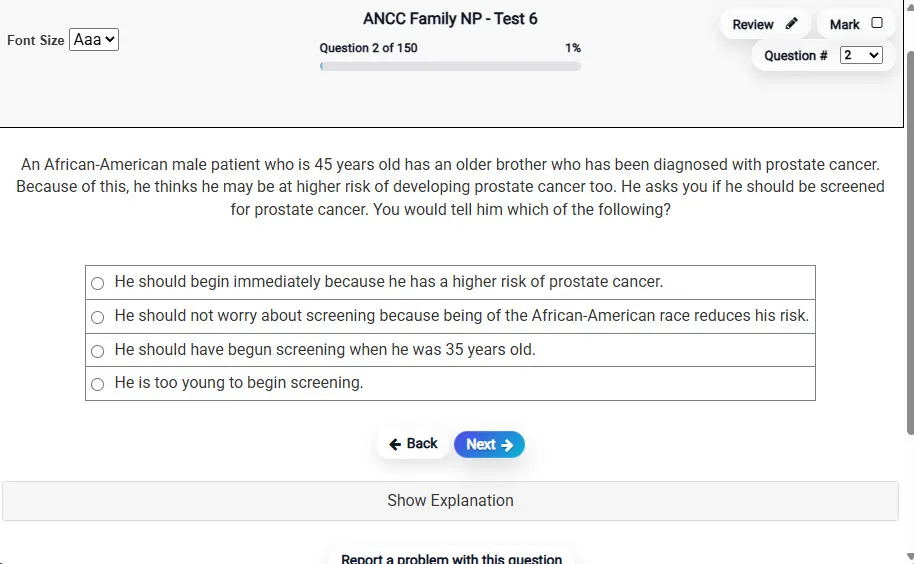
Answering a Question screen – Multiple-choice item view with navigation controls and progress tracker.
Answering a Question Multiple-choice item view with navigation controls and progress tracker.

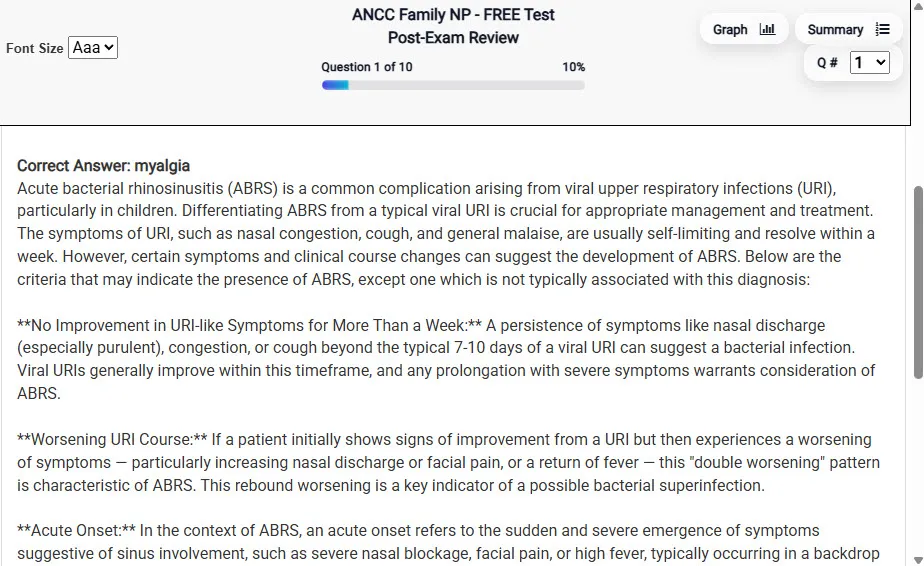
                           Detailed Explanation screen – 
                         Review mode showing chosen answer and rationale and references.
Detailed Explanation Review mode showing chosen answer and rationale and references.

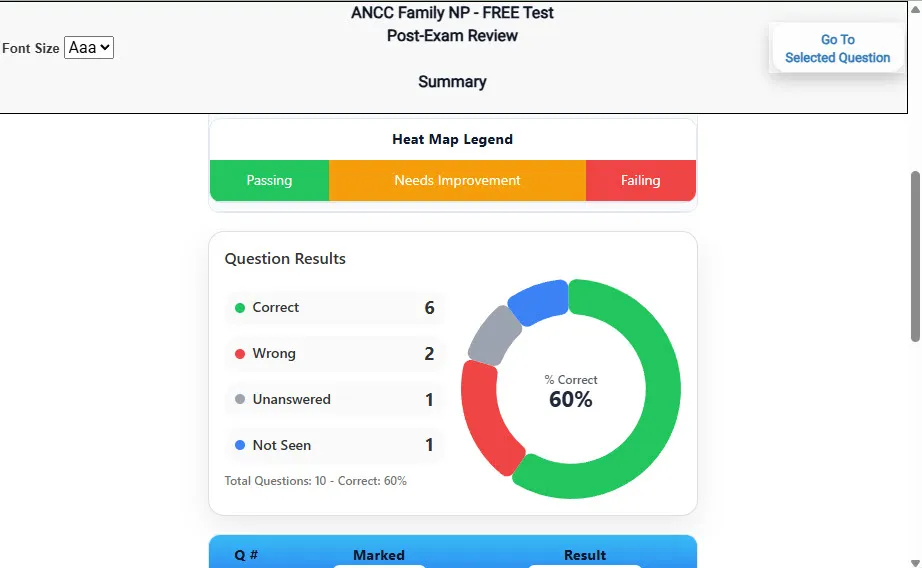
                           Review Summary 1 screen – 
                         Summary with counts for correct/wrong/unanswered and not seen items.
Review Summary 1 Summary with counts for correct/wrong/unanswered and not seen items.

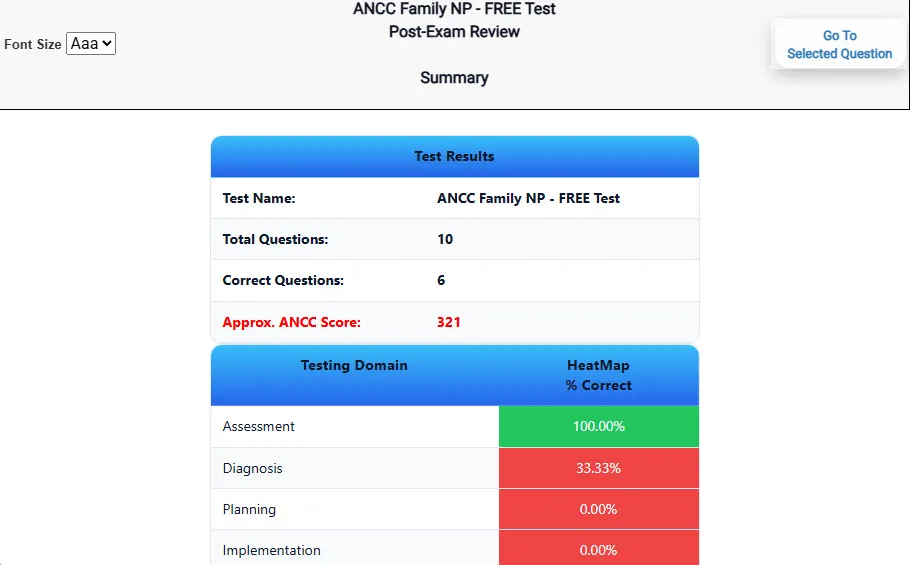
                           Review Summary 2 screen – 
                         Advanced summary with category/domain breakdown and performance insights.
Review Summary 2 Advanced summary with category/domain breakdown and performance insights.

What Each Screen Shows

Answer Question Screen

  • Clean multiple-choice interface with progress bar.
  • Mark for review feature.
  • Matches real test pacing.

Detailed Explanation

  • Correct answer plus rationale.
  • Key concepts and guidelines highlighted.
  • Move between questions to fill knowledge gaps.

Review Summary 1

  • Overall results with total questions and scaled score.
  • Domain heatmap shows strengths and weaknesses.
  • Quick visual feedback on study priorities.

Review Summary 2

  • Chart of correct, wrong, unanswered, not seen.
  • Color-coded results for easy review.
  • Links back to missed items.

Top 10 Reasons to Use Exam Edge for your ABIM Rheumatology Exam Prep

  1. Focused on the ABIM Rheumatology Exam

    Our practice tests are built specifically for the ABIM Rheumatology exam — every question mirrors the real topics, format, and difficulty so you're studying exactly what matters.

  2. Real Exam Simulation

    We match the per-question time limits and pressure of the actual ABIM exam, so test day feels familiar and stress-free.

  3. 5 Full Practice Tests & 1,000 Unique Questions

    You'll have more than enough material to master every ABIM Rheumatology concept — no repeats, no fluff.

  4. Lower Cost Than a Retake

    Ordering 5 practice exams costs less than retaking the ABIM Rheumatology exam after a failure. One low fee could save you both time and money.

  5. Flexible Testing

    Need to step away mid-exam? Pick up right where you left off — with your remaining time intact.

  6. Instant Scoring & Feedback

    See your raw score and an estimated ABIM Rheumatology score immediately after finishing each practice test.

  7. Detailed Explanations for Every Question

    Review correct and incorrect answers with clear, step-by-step explanations so you truly understand each topic.

  8. Trusted & Accredited

    We're fully accredited by the Better Business Bureau and uphold the highest standards of trust and transparency.

  9. Web-Based & Always Available

    No software to install. Access your ABIM Rheumatology practice exams 24/7 from any computer or mobile device.

  10. Expert Support When You Need It

    Need extra help? Our specialized tutors are highly qualified and ready to support your ABIM exam prep.


Pass the ABIM Rheumatology Exam with Realistic Practice Tests from Exam Edge

Preparing for your upcoming ABIM Rheumatology (RHEUM) Certification Exam can feel overwhelming — but the right practice makes all the difference. Exam Edge gives you the tools, structure, and confidence to pass on your first try. Our online practice exams are built to match the real ABIM Rheumatology exam in content, format, and difficulty.

  • 📝 5 ABIM Rheumatology Practice Tests: Access 5 full-length exams with 200 questions each, covering every major ABIM Rheumatology topic in depth.
  • Instant Online Access: Start practicing right away — no software, no waiting.
  • 🧠 Step-by-Step Explanations: Understand the reasoning behind every correct answer so you can master ABIM Rheumatology exam concepts.
  • 🔄 Retake Each Exam Up to 4 Times: Build knowledge through repetition and track your improvement over time.
  • 🌐 Web-Based & Available 24/7: Study anywhere, anytime, on any device.
  • 🧘 Boost Your Test-Day Confidence: Familiarity with the ABIM format reduces anxiety and helps you perform under pressure.

These ABIM Rheumatology practice exams are designed to simulate the real testing experience by matching question types, timing, and difficulty level. This approach helps you get comfortable not just with the exam content, but also with the testing environment, so you walk into your exam day focused and confident.


Exam Edge ABIM Reviews


ABIM Rheumatology Exam Aliases

Here is a list of alternative names used for this exam.

  • ABIM Rheumatology
  • ABIM Rheumatology test
  • ABIM Rheumatology Certification Test
  • ABIM
  • ABIM RHEUM
  • RHEUM test
  • ABIM Rheumatology (RHEUM)
  • Rheumatology certification