This is the content of the pop-over!

Lightning Deal Alert – 12% Off Ends at Midnight!

Strike while the savings are hot! Use promo code FlashSale at checkout for 12% off any Exam Edge test or bundle. Hurry—the clock is ticking!

ABIM Cardiovascular Disease Practice Tests & Exam Prep Questions - Features


ABIM Cardiovascular Disease practice tests

Pass the ABIM Cardiovascular Disease exam with confidence

Realistic practice tests, detailed explanations, and instant access—built to help you feel ready on test day.

Trusted by serious test takers
Real exam simulationInstant, 24/7 accessDetailed explanations
Instant access  •  No software required  •  Study at your pace
Featured on
ABIM Cardiovascular Disease Practice Test Realistic practice • Detailed explanations • Instant access
Choose your plan

Practice smarter. Walk in prepared.

Every plan includes realistic exam simulation, detailed explanations, and immediate online access.



Features of Exam Edge ABIM Cardiovascular Disease Practice Tests

Our ABIM Cardiovascular Disease practice tests offer the following features to give you a comprehensive and customizable exam prep experience:


Practice on your schedule

Accessible ABIM Cardiovascular Disease practice tests

  • Instant online access: Begin practicing as soon as your purchase is complete—there is no software or physical shipment to wait for.
  • Tests do not expire: Revisit purchased practice tests whenever you need to review questions and explanations.
  • Available 24/7: Pause and resume practice around work, school, and family commitments.
  • Use any connected device: Move between desktop, laptop, tablet, and smartphone without changing how you study.
Exam Edge practice tests displayed on multiple devices
Access your practice tests from any connected device.
Build exam readiness

Realistic ABIM Cardiovascular Disease practice

Practice with full-length tests designed to strengthen subject knowledge, pacing, focus, and confidence.

240 questions per test

Each practice test matches the expected exam length so you can rehearse sustained focus and time management.

Multiple unique practice tests

The largest bundle includes 240 questions across 1 tests.

Detailed answer explanations

Learn from correct and incorrect choices, then retake each test up to four times to reinforce recall and pacing.

A clearer way to prepare

How ABIM Cardiovascular Disease practice tests work

Practice in an exam-like environment, immediately see what you answered correctly or incorrectly, and use step-by-step explanations to understand why.

You are in control

Choose how you practice for the ABIM Cardiovascular Disease exam

Everyone studies differently. Choose the mode that matches your current preparation goal, then change modes as your confidence grows.

Timed practice mode

Rehearse pacing under the same time limit—or time per question—you can expect on the actual ABIM Cardiovascular Disease exam.

Untimed practice mode

Work without a countdown while you build subject knowledge, consider each answer carefully, and identify areas that need more review.

Explanation mode

Reveal answers and explanations as you progress. Use each question as a guided study opportunity before moving into timed practice.
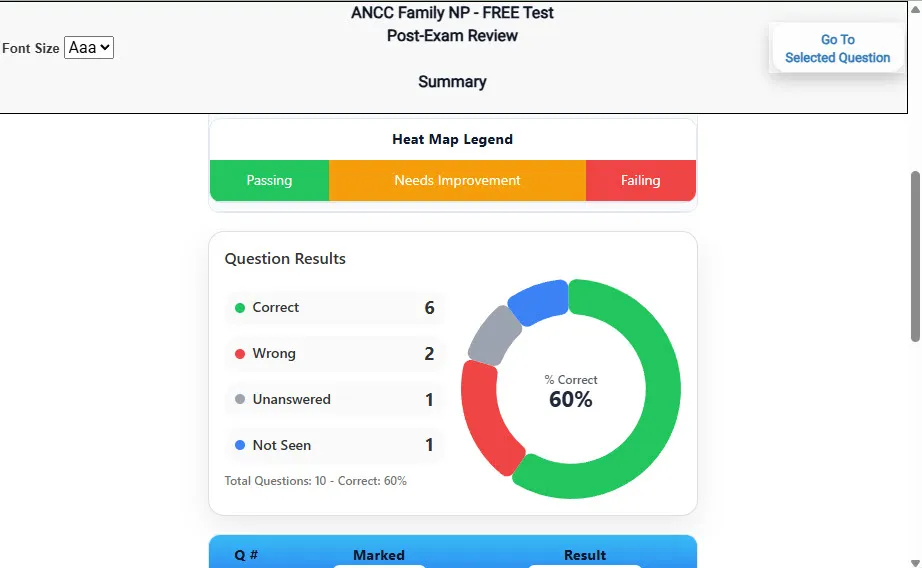
Review summary
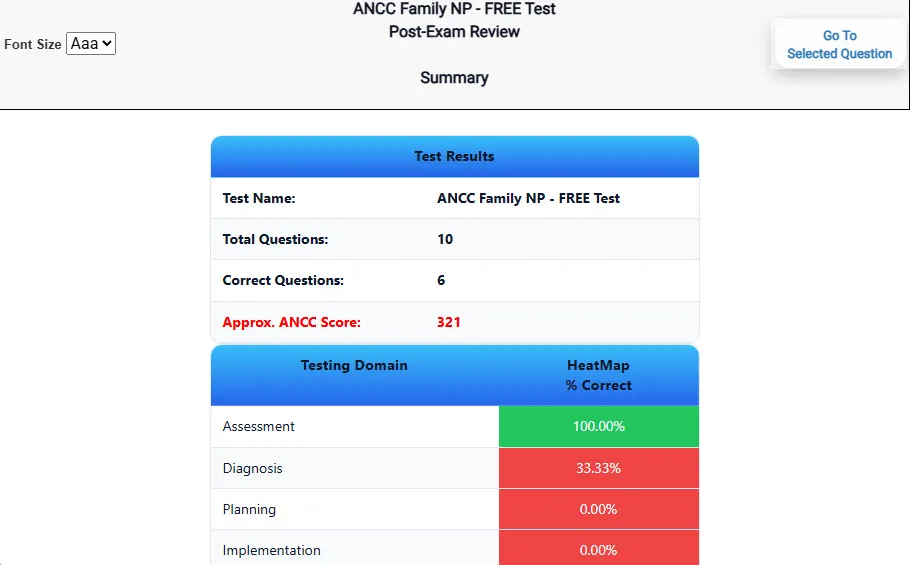
Review Summary - Part 1 The Review Summary page shows your exam results, including a heat map which highlights what you got right, wrong, or didn't answer. You can filter the questions to see only the ones you want, like just the ones you got wrong, so you can review them easily.
Review summary
Review Summary - Part 2 The Review Summary page shows your exam results, including a heat map which highlights what you got right, wrong, or didn't answer. You can filter the questions to see only the ones you want, like just the ones you got wrong, so you can review them easily.
Review question
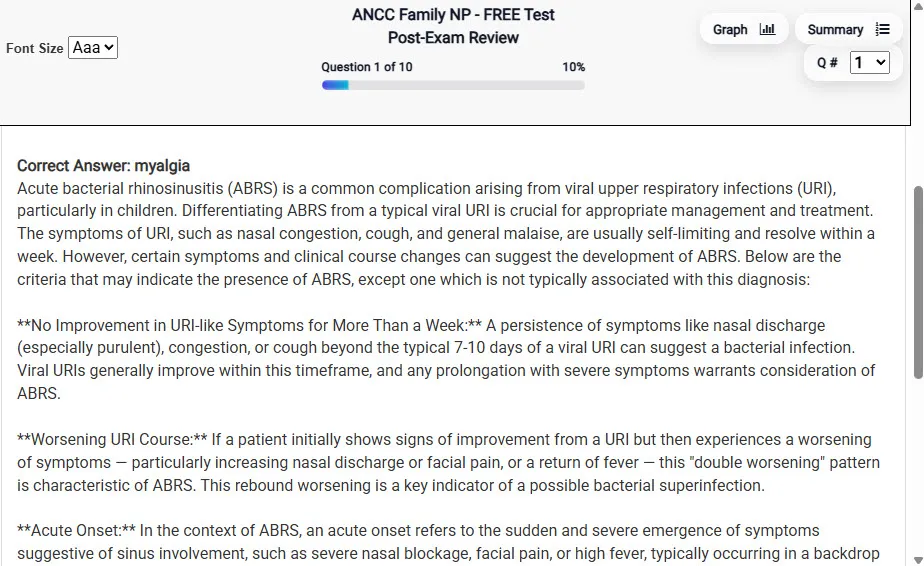
Review Questions This is the question review page; here you can see how you answered the question, as well as the correct answer. You also see a detailed explanation of the correct answer so you will understand the answer to the question.
Starting a test
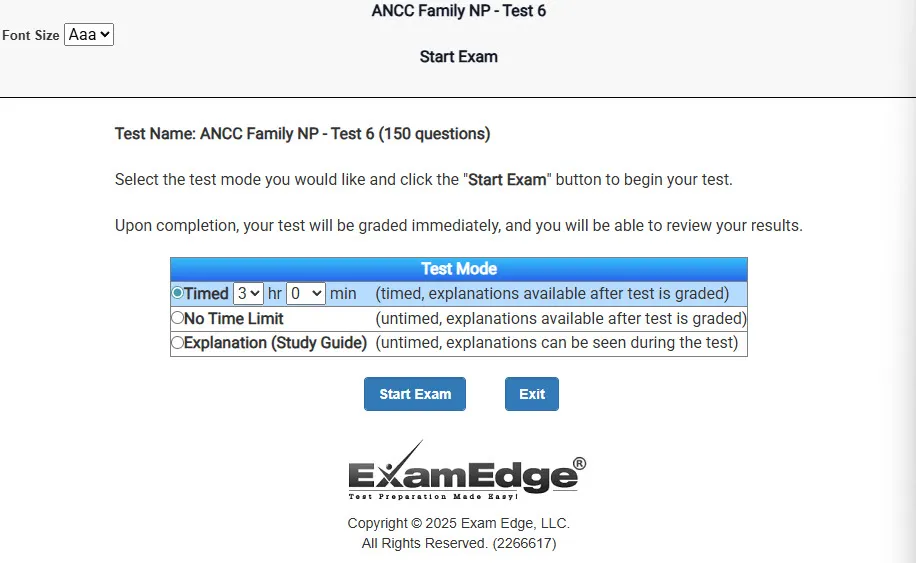
Starting a Test This is where you will start your exam. You will need to choose an exam mode and then click on "Start Test Button."
Answering a question
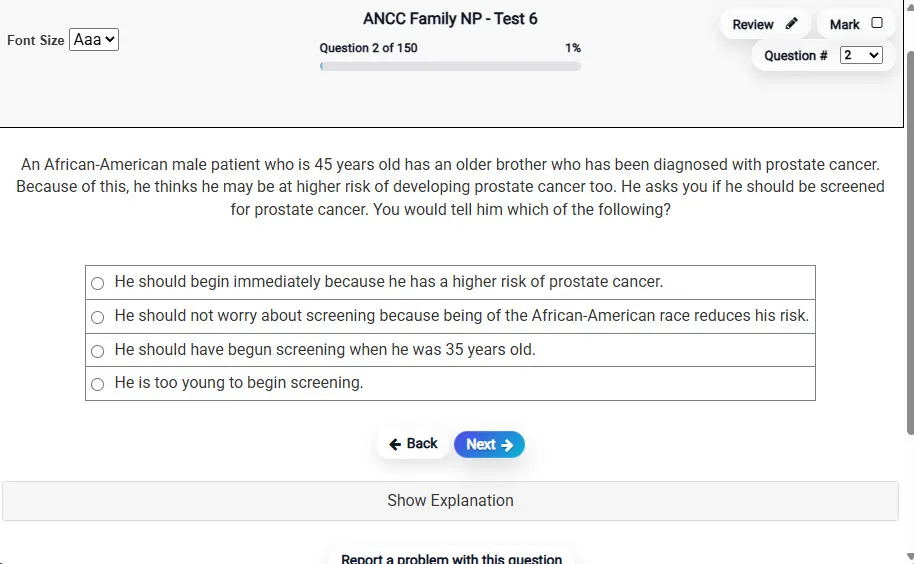
Answering Questions This is the exam page where you answer questions. The header displays exam details and navigation options. To answer, select your choice and click the "Next" button in the top right corner to proceed.
Sample screens demonstrate the platform; displayed content may differ from your exam.
Puzzle pieces representing complete exam preparation
More than memorization

Test preparation beyond practice questions

Certification exams measure knowledge and performance under pressure. Exam Edge helps you become familiar with both the subject matter and the testing experience so you can improve pacing and reduce uncertainty on test day.

Learn additional ways to manage test-taking anxiety .

Preview the experience

ABIM Cardiovascular Disease sample question

See how an exam-style question and its explanation appear in the Exam Edge practice environment.

As the cardiologist on call in the emergency department you are asked to evaluate a 68-year-old man presenting with 6 hours of progressive chest discomfort and diaphoresis. Which of the following is the most appropriate next step in management?

Presentation

  • 68-year-old man with 6 hours of pressure-like substernal chest pain radiating to left arm
  • History of hypertension, type 2 diabetes mellitus, prior percutaneous coronary intervention to the LAD 5 years ago

Current Medications

  • Aspirin 81 mg daily
  • Atorvastatin 40 mg nightly
  • Metformin 1000 mg twice daily
  • Lisinopril 20 mg daily

Vital Signs

  • BP 145/88 mm Hg
  • HR 98 bpm
  • RR 18/min
  • SpO2 96% on room air
  • Temp 36.7°C

Physical Examination

  • Alert, uncomfortable appearing
  • Lungs clear to auscultation
  • Cardiac exam: normal S1, S2, no murmur
  • No peripheral edema

Laboratory Results

  • High-sensitivity troponin I: 0.18 ng/mL (reference <0.04) on arrival
  • Repeat troponin 1 hour: 0.32 ng/mL
  • Creatinine 1.1 mg/dL
  • Potassium 4.3 mEq/L

ECG Findings

  • Sinus rhythm at 98 bpm
  • 1–2 mm ST-segment depressions in V4–V6 with T-wave flattening
  • No pathologic Q waves

Echocardiography Findings

  • Transthoracic echocardiography performed in ED
  • Left ventricular ejection fraction 45%
  • Hypokinesis of the anterolateral and apical segments

Clinical Course

  • Chest pain persists despite sublingual nitroglycerin and morphine
  • Received 300 mg aspirin chew and high-intensity statin in ED


Correct Answer:
Proceed with an early invasive strategy: urgent coronary angiography with intent to perform percutaneous coronary intervention within 24 hours.

why rrect: this patient has an acute coronary syndrome consistent with non–st-elevation myocardial infarction (rising troponins) with ongoing ischemic chest pain, dynamic ecg changes (st depressions v4–v6), regional wall motion abnormality on transthoracic echocardiography, and prior coronary disease—features that place him in a high-risk category. guideline-directed care for high-risk nstemi supports an early invasive strategy with coronary angiography and revascularization (usually within 24 hours) because it reduces ischemic complications and facilitates definitive treatment of culprit lesions. his renal function is acceptable for contrast use, and persistent ischemic symptoms despite medical therapy make urgent angiography appropriate.

why the other answers are incorrect: answer b: conservative medical management with delayed stress testing is appropriate for low-risk patients; this patient is high risk (ongoing pain, rising troponin, ischemic ecg, wall motion abnormality), so delay risks infarct extension. answer c: fibrinolytic therapy is indicated for st-elevation myocardial infarction when timely pci is unavailable; it is not indicated for nstemi with st depressions and would expose him to bleeding risk without benefit. answer d: urgent cabg is not first-line when pci is feasible and anatomy is unknown; angiography is needed first to define coronary anatomy and determine whether pci or cabg is indicated.

Get Started Today
Review anywhere

Digital flashcards for ABIM Cardiovascular Disease

Add short, focused review sessions between full practice tests to reinforce key knowledge through active recall.

Improve retention

Reinforce material through frequent recall and repeated exposure.

Study in short sessions

Review whenever you have time but cannot complete a full practice test.

Get immediate feedback

Quickly identify concepts that need another pass before test day.
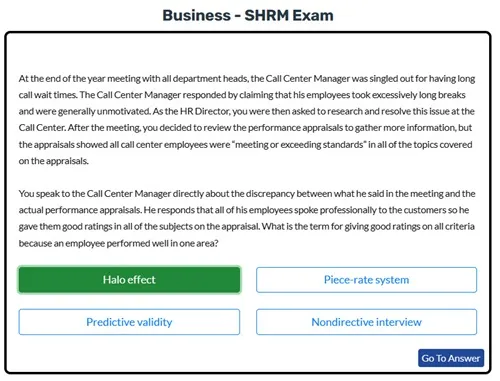
Example front of an Exam Edge digital flashcard Example back of an Exam Edge digital flashcard
Plan your preparation

ABIM Cardiovascular Disease Study Guide

Study guides are included with purchases of 10 or more practice tests and bring your exam strategy, study plan, and key review material together in one resource.
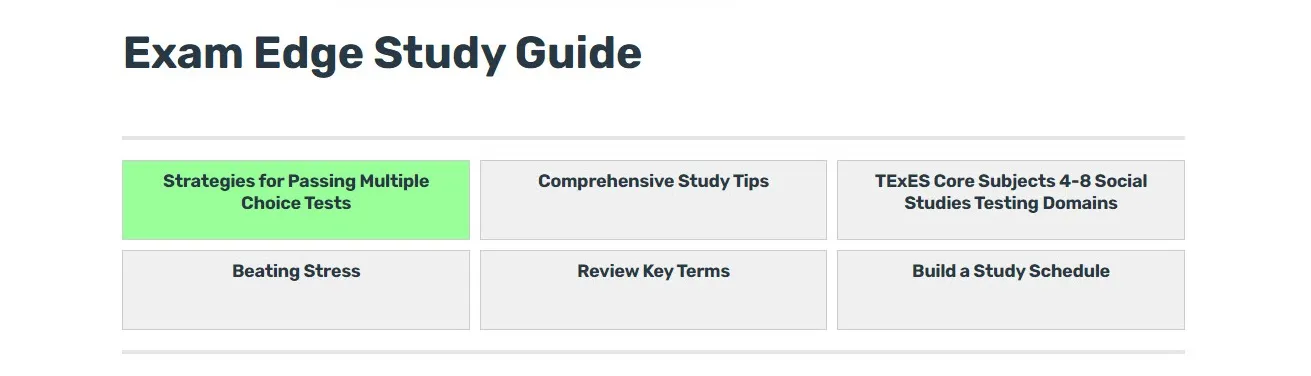
Preview of the Exam Edge study guide

Multiple-choice strategies

Approach question formats, distractors, and test structure with a repeatable plan.

Efficient study techniques

Turn limited preparation time into a realistic, focused study routine.

Exam domains

Understand the subject areas you should account for in your preparation.

Stress-management guidance

Use practical techniques to reduce anxiety and protect your performance.

Key-term review

Revisit important concepts and vocabulary that support exam readiness.

Study schedule

Build a manageable plan that keeps preparation moving toward test day.