This is the content of the pop-over!

Lightning Deal Alert – 12% Off Ends at Midnight!

Strike while the savings are hot! Use promo code FlashSale at checkout for 12% off any Exam Edge test or bundle. Hurry—the clock is ticking!

CSET Health Science (178, 179, 180) Practice Tests & Test Prep by Exam Edge


CSET Health Science  product image
(4.9)
Based on 29 Reviews

  • Real Exam Simulation: Timed questions and matching content build comfort for your CSET Health Science test day.
  • Instant, 24/7 Access: Web-based CSET Health Science practice exams with no software needed.
  • Clear Explanations: Step-by-step answers and explanations for your CSET exam to strengthen understanding.
  • Boosted Confidence: Reduces anxiety and improves test-taking skills to ace your CSET Health Science (178, 179, 180).

Featured on

CSET Health Science Online Practice Test Bundles

BEST VALUE
15 practice tests

$149.25

$599.25

SAVE $450

Only $9.95 per test!

  • 100% Pass Guarantee
  • 15 online practice tests
  • 120 questions per test
  • Bonus: 100 Flash Cards + Study Guide
  • Instant access
  • Detailed Explanations
  • Practice tests never expire
  • Timed, untimed, or study guide mode
MOST POPULAR
10 practice tests

$99.50

$399.50

SAVE $300

Only $9.95 per test!

  • 10 online practice tests
  • 120 questions per test
  • Bonus: 100 Flash Cards + Study Guide
  • Instant access
  • Detailed Explanations
  • Practice tests never expire
  • Timed, untimed, or study guide mode
5 practice tests

$69.75

$199.75

SAVE $130

Only $13.95 per test!

  • 5 online practice tests
  • 120 questions per test
  • Bonus: 100 Flash Cards
  • Instant access
  • Detailed Explanations
  • Practice tests never expire
  • Timed, untimed, or study guide mode
1 practice test

$39.95

  • 1 online practice test
  • 120 questions per test
  • Instant access
  • Detailed Explanations
  • Practice tests never expire
  • Timed, untimed, or study guide mode
Quick Select
Tap to choose a bundle

** All Prices are in US Dollars (USD) **


CSET Health Science (178, 179, 180) Resources

Jump to the section you need most.

Understanding the exact breakdown of the CSET Health Science test will help you know what to expect and how to most effectively prepare. The CSET Health Science has 120 multiple-choice questions and 5 essay questions. The exam will be broken down into the sections below:

CSET Health Science Exam Blueprint
Domain Name
Foundations of Health Education  
Human Growth and Development  
Chronic and Communicable Diseases  
Nutrition and Fitness  
Mental and Emotional Health  
Alcohol - Tobacco Other Drugs  
Family Life and Interpersonal Relationships  
Consumer and Community Health  
Environmental Health  

CSET Health Science Study Tips by Domain

  • Use a planned health education process (assess needs → set SMART objectives → implement → evaluate); red flag: activities without measurable objectives (e.g., “students will understand”) won’t support valid evaluation.
  • Differentiate formative vs summative evaluation; common trap: using only a posttest and calling it “program evaluation” without process data (fidelity, reach, dose).
  • Apply behavior-change theories appropriately (HBM, SCT, TPB); priority rule: match strategies to constructs (e.g., build self-efficacy with skill practice), not just “provide information.”
  • Teach skill-based health literacy (access, analyze, evaluate, apply) including media literacy; red flag: relying on fear appeals without efficacy/support can backfire and reduce behavior change.
  • Follow ethical and legal expectations in school health education (confidentiality, mandated reporting, inclusive language); contraindication: promising absolute confidentiality to students.
  • Use culturally responsive, trauma-informed instruction and adapt for IEP/504 needs; common trap: one-size-fits-all lessons that ignore language access or accessibility accommodations.
  • Differentiate prenatal stages (germinal, embryonic, fetal) and know highest teratogen vulnerability is weeks 3–8—red flag: confusing fetal growth issues with embryonic organ malformations.
  • Use developmental milestones (motor, language, social) as screening anchors; cue: loss of previously acquired skills is a higher-priority referral than a single late milestone.
  • Apply Piaget stages with age-typical reasoning—trap: assuming formal operational thinking (abstract/hypothetical reasoning) is reliable before adolescence.
  • Use Erikson psychosocial stages to interpret behavior; priority rule: interventions should match the stage task (e.g., autonomy vs. shame in toddlers), not just the symptom.
  • Recognize pubertal development patterns (Tanner staging basics) and normal variation; red flag thresholds: precocious puberty (<8 girls, <9 boys) or delayed puberty (no breast development by 13 or no testicular enlargement by 14) warrants evaluation.
  • Understand gene–environment interaction and basic inheritance patterns; common trap: treating heritability as destiny—environmental change can still shift risk and outcomes.
  • Differentiate communicable vs. chronic disease by causation and time course; red flag: confusing “acute” with “communicable” (acute can be noninfectious, e.g., asthma exacerbation).
  • Know chain of infection (agent, reservoir, portal, transmission, entry, susceptible host) and where to break it; priority rule: target the weakest link (often hand hygiene and isolation).
  • Apply levels of prevention to both infectious and chronic conditions; common trap: labeling screenings (BP, Pap, A1c) as primary prevention—they are secondary.
  • Understand vaccination basics (herd immunity, contraindications) and post-exposure actions; red flag: giving live vaccines to severely immunocompromised individuals or during pregnancy (context dependent).
  • Interpret key epidemiology measures (incidence, prevalence, relative risk, case-fatality) for program decisions; common trap: using prevalence to estimate new cases when incidence is required.
  • Recognize high-impact chronic disease risks (tobacco, HTN, dyslipidemia, inactivity, obesity) and communicable control priorities (reportable diseases, outbreak steps); priority rule: early notification and accurate case definition prevent wasted contact tracing.
  • Interpret Dietary Guidelines patterns (e.g., MyPlate, nutrient density) and watch the common trap of equating “serving size” with “portion size” on labels.
  • Use the Nutrition Facts label to calculate total intake (calories, added sugars, sodium, saturated fat) and remember the threshold cue: ≥20% DV is “high,” ≤5% DV is “low.”
  • Distinguish macronutrient roles (carbs for quick energy, fats for hormones/absorption, protein for repair) and flag the red flag of “high-protein” diets crowding out fiber and micronutrients.
  • Apply energy balance concepts (BMR, activity, thermic effect) and avoid the trap of assuming rapid weight loss (>1–2 lb/week) is sustainable without lean-mass loss.
  • Match fitness components to assessments (cardiorespiratory endurance, muscular strength/endurance, flexibility, body composition) with a priority rule: follow FITT and progress gradually (∼10%/week) to reduce overuse injury risk.
  • Address hydration and heat illness prevention with a contraindication cue: dizziness, confusion, or cessation of sweating during exertion requires stopping activity and urgent cooling/medical evaluation.
  • Differentiate normal stress from a disorder by checking duration and impairment—if symptoms persist ≥2 weeks with functional decline, think major depression rather than situational stress.
  • Apply suicide-risk basics: ask directly about ideation, plan, means, and intent—red flag is a specific plan with access to lethal means, which warrants immediate referral/crisis protocol.
  • Know core anxiety presentations (GAD, panic, phobias, PTSD) and first-line supports—common trap is confusing a panic attack (abrupt, peaks within minutes) with generalized anxiety (persistent, diffuse).
  • Recognize psychosis indicators (hallucinations, delusions, disorganized thinking) and prioritize safety—red flag is command hallucinations or severe paranoia affecting behavior.
  • Use trauma-informed principles (safety, choice, collaboration, empowerment) in school/community settings—contraindication is pressuring disclosure, which can retraumatize and worsen symptoms.
  • Promote protective factors (connectedness, coping skills, sleep, help-seeking) and reduce stigma—priority rule is to normalize getting help while maintaining confidentiality except when there’s risk of harm to self/others.
  • Differentiate CNS depressants (alcohol, opioids) from stimulants (nicotine, cocaine) and hallucinogens (LSD)—red flag: mixing depressants (e.g., alcohol + opioids/benzodiazepines) markedly increases respiratory depression risk.
  • Recognize alcohol poisoning signs (vomiting, slow/irregular breathing, unconsciousness, hypothermia)—priority rule: call emergency services and place in recovery position; don’t assume “sleeping it off” is safe.
  • Screen for substance use with brief tools (e.g., CRAFFT for adolescents, CAGE/AUDIT concepts for adults)—common trap: focusing only on frequency and missing impairment, tolerance, withdrawal, and role failures.
  • Know tobacco/nicotine health impacts and cessation basics—red flag: nicotine withdrawal (irritability, cravings) can mimic anxiety; combine behavioral supports with FDA-approved meds when appropriate rather than willpower-only plans.
  • Identify legal and school-safety obligations relevant to CTC contexts—priority rule: suspected possession/distribution or imminent harm requires following district policy and mandated procedures; don’t promise confidentiality beyond required limits.
  • Apply harm-reduction and prevention principles (protective factors, refusal skills, correcting norms)—common trap: scare tactics can backfire; prioritize developmentally appropriate, skills-based instruction and accurate risk communication.
  • Identify traits of healthy relationships—mutual respect, trust, equity, and clear boundaries; red flag: isolation from friends/family or monitoring devices/accounts.
  • Apply consent standards—freely given, informed, specific, reversible, and enthusiastic; trap: assuming past consent, silence, or intoxication equals consent.
  • Recognize intimate partner violence patterns (cycle of violence, power-and-control tactics) and appropriate responses; priority rule: focus on immediate safety planning before advice about “fixing” the relationship.
  • Use conflict-resolution and communication skills (I-messages, active listening, de-escalation, negotiation); red flag: contempt, threats, or escalation—pause and seek support rather than “win” the argument.
  • Understand sexual health decision-making within relationships (abstinence, contraception, STI prevention) and shared responsibility; trap: relying on withdrawal or inconsistent barrier use as “low risk.”
  • Know legal/ethical basics relevant to families and minors (confidentiality limits, mandated reporting, and access to services varies by state); priority cue: when abuse is suspected, document objectively and follow reporting procedures promptly.
  • Differentiate primary, secondary, and tertiary prevention—on CTC-style items, screening (e.g., BP, mammography) is secondary prevention, not primary; a common trap is labeling health education as “secondary.”
  • Apply health insurance basics (premium, deductible, copay/coinsurance, out-of-pocket max)—red flag: selecting a low premium plan without checking the deductible when anticipating high utilization.
  • Use informed consent and confidentiality principles in community services—priority rule: disclose only the minimum necessary, and treat minors’ consent as situation-specific (e.g., STI services may differ by jurisdiction); a common trap is assuming parents always have full access.
  • Recognize consumer fraud and unsafe products—red flag: claims that sound “too good to be true” (rapid cures, guaranteed weight loss) and lack of credible evidence or regulatory approval.
  • Navigate community health resources and referral pathways—priority rule: match level of care to urgency (e.g., suicidal ideation or chest pain → emergency services, not routine referral); a common trap is delaying escalation.
  • Interpret basic public health data for community decisions—common trap: confusing incidence with prevalence; cue: incidence tracks new cases (useful for outbreaks and risk), prevalence reflects existing burden (useful for service planning).
  • Apply the chain of infection to environmental controls (agent–host–environment) and prioritize breaking transmission via ventilation, surface disinfection, and hand hygiene; red flag: assuming gloves alone prevent spread without proper doffing.
  • Interpret common air-quality measures (AQI, PM2.5, ozone) and match actions to risk groups (children, asthma, older adults); trap: recommending outdoor exercise during high-ozone afternoons even when AQI is elevated.
  • Identify safe drinking-water protections (source protection, treatment, distribution) and key contaminants (lead, nitrates, pathogens); priority rule: if lead is suspected, flush/use certified filters and do not use hot tap water for cooking.
  • Explain food safety controls across purchasing, storage, prep, and service, emphasizing time-temperature control (41°F–135°F danger zone); red flag: leaving cooked foods at room temperature for more than 2 hours (1 hour if >90°F).
  • Recognize common household/community toxicants (CO, pesticides, solvents) and immediate first steps; contraindication: for suspected carbon monoxide exposure, do not “air out” indoors first—move to fresh air and seek urgent evaluation.
  • Connect environmental justice concepts to exposure disparities and targeted prevention (housing quality, proximity to traffic/industry); trap: proposing one-size-fits-all interventions without assessing cumulative exposures and vulnerable populations.


Built to Fit Into Your Busy Life

Everything you need to prepare with confidence—without wasting a minute.

Three Study Modes

Timed, No Time Limit, or Explanation mode.

Actionable Analytics

Heatmaps and scaled scores highlight weak areas.

High-Yield Rationales

Concise explanations emphasize key concepts.

Realistic Interface

Matches the feel of the actual exam environment.

Accessible by Design

Clean layout reduces cognitive load.

Anytime, Anywhere

Web-based access 24/7 on any device.
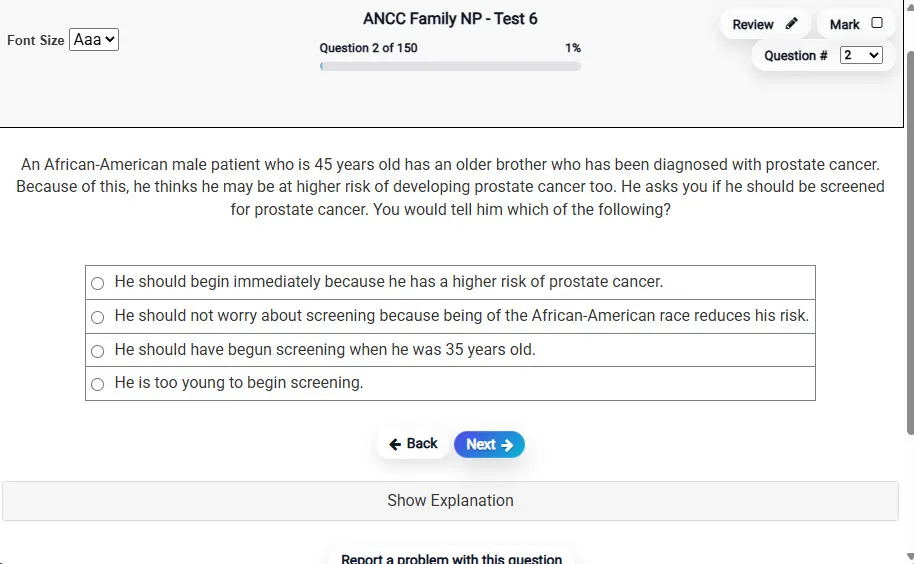
Answering a Question screen – Multiple-choice item view with navigation controls and progress tracker.
Answering a Question Multiple-choice item view with navigation controls and progress tracker.

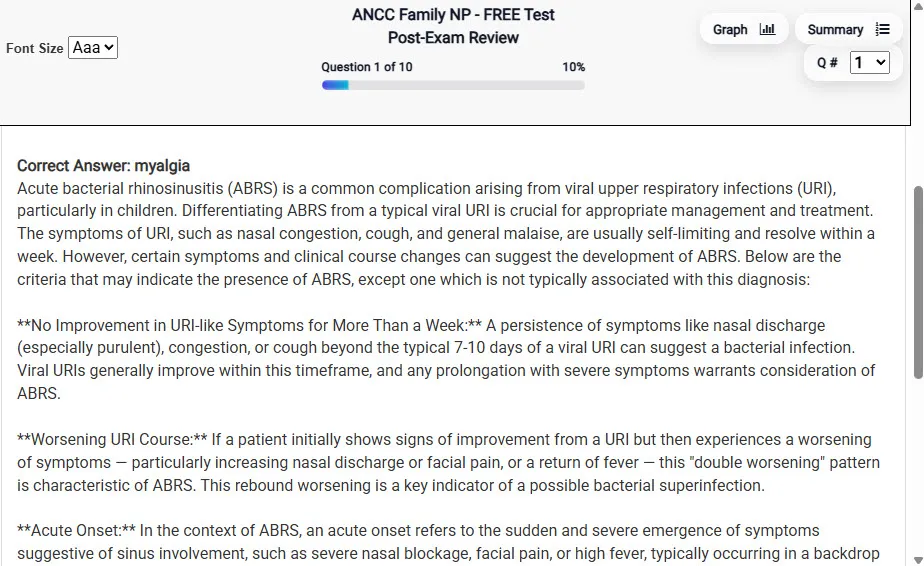
                           Detailed Explanation screen – 
                         Review mode showing chosen answer and rationale and references.
Detailed Explanation Review mode showing chosen answer and rationale and references.

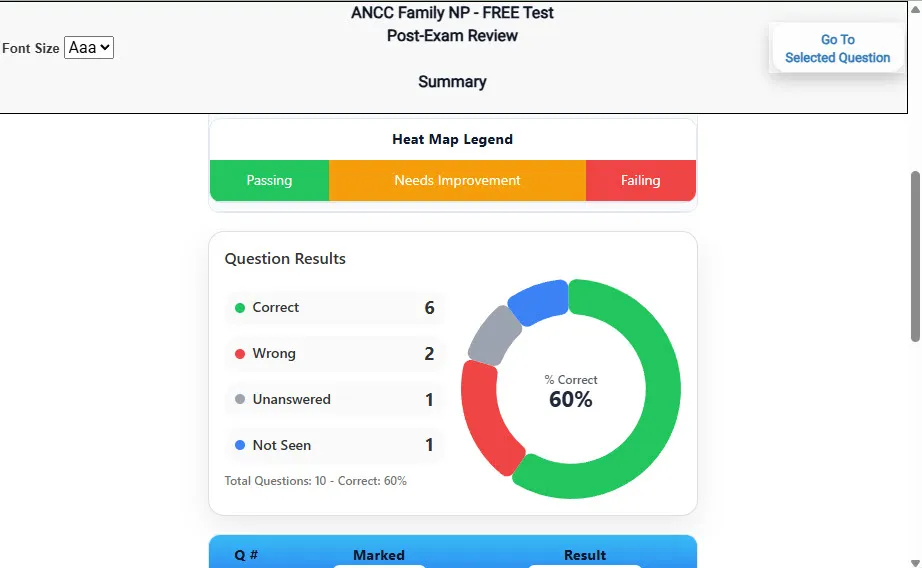
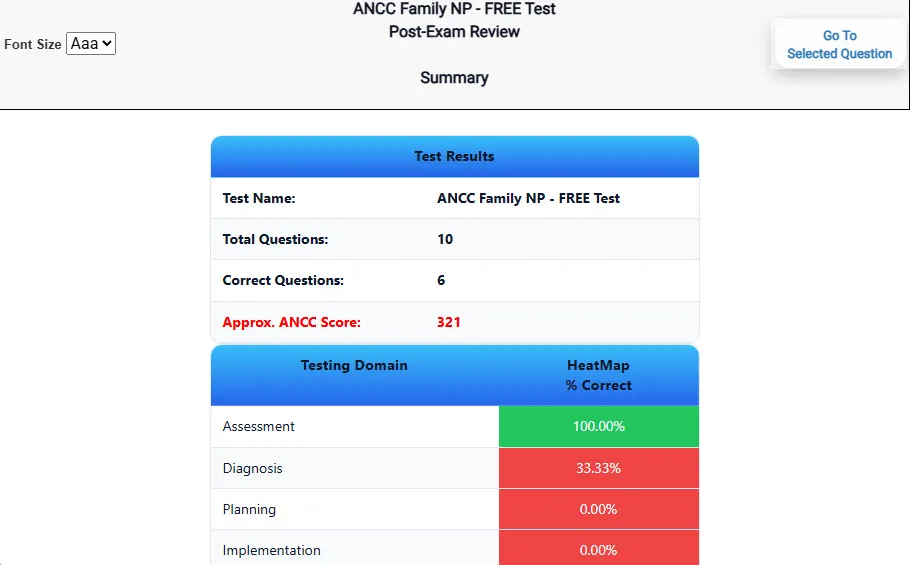
                           Review Summary 1 screen – 
                         Summary with counts for correct/wrong/unanswered and not seen items.
Review Summary 1 Summary with counts for correct/wrong/unanswered and not seen items.

                           Review Summary 2 screen – 
                         Advanced summary with category/domain breakdown and performance insights.
Review Summary 2 Advanced summary with category/domain breakdown and performance insights.

What Each Screen Shows

Answer Question Screen

  • Clean multiple-choice interface with progress bar.
  • Mark for review feature.
  • Matches real test pacing.

Detailed Explanation

  • Correct answer plus rationale.
  • Key concepts and guidelines highlighted.
  • Move between questions to fill knowledge gaps.

Review Summary 1

  • Overall results with total questions and scaled score.
  • Domain heatmap shows strengths and weaknesses.
  • Quick visual feedback on study priorities.

Review Summary 2

  • Chart of correct, wrong, unanswered, not seen.
  • Color-coded results for easy review.
  • Links back to missed items.

Top 10 Reasons to Use Exam Edge for your CSET Health Science Exam Prep

  1. Focused on the CSET Health Science Exam

    Our practice tests are built specifically for the CSET Health Science exam — every question mirrors the real topics, format, and difficulty so you're studying exactly what matters.

  2. Real Exam Simulation

    We match the per-question time limits and pressure of the actual CSET exam, so test day feels familiar and stress-free.

  3. 15 Full Practice Tests & 1,800 Unique Questions

    You'll have more than enough material to master every CSET Health Science concept — no repeats, no fluff.

  4. Lower Cost Than a Retake

    Ordering 5 practice exams costs less than retaking the CSET Health Science exam after a failure. One low fee could save you both time and money.

  5. Flexible Testing

    Need to step away mid-exam? Pick up right where you left off — with your remaining time intact.

  6. Instant Scoring & Feedback

    See your raw score and an estimated CSET Health Science score immediately after finishing each practice test.

  7. Detailed Explanations for Every Question

    Review correct and incorrect answers with clear, step-by-step explanations so you truly understand each topic.

  8. Trusted & Accredited

    We're fully accredited by the Better Business Bureau and uphold the highest standards of trust and transparency.

  9. Web-Based & Always Available

    No software to install. Access your CSET Health Science practice exams 24/7 from any computer or mobile device.

  10. Expert Support When You Need It

    Need extra help? Our specialized tutors are highly qualified and ready to support your CSET exam prep.


Pass the CSET Health Science Exam with Realistic Practice Tests from Exam Edge

Preparing for your upcoming CSET Health Science (178, 179, 180) Certification Exam can feel overwhelming — but the right practice makes all the difference. Exam Edge gives you the tools, structure, and confidence to pass on your first try. Our online practice exams are built to match the real CSET Health Science exam in content, format, and difficulty.

  • 📝 15 CSET Health Science Practice Tests: Access 15 full-length exams with 120 questions each, covering every major CSET Health Science topic in depth.
  • Instant Online Access: Start practicing right away — no software, no waiting.
  • 🧠 Step-by-Step Explanations: Understand the reasoning behind every correct answer so you can master CSET Health Science exam concepts.
  • 🔄 Retake Each Exam Up to 4 Times: Build knowledge through repetition and track your improvement over time.
  • 🌐 Web-Based & Available 24/7: Study anywhere, anytime, on any device.
  • 🧘 Boost Your Test-Day Confidence: Familiarity with the CSET format reduces anxiety and helps you perform under pressure.

These CSET Health Science practice exams are designed to simulate the real testing experience by matching question types, timing, and difficulty level. This approach helps you get comfortable not just with the exam content, but also with the testing environment, so you walk into your exam day focused and confident.


Exam Edge CTC Reviews


Just wanted to let you guys know that your tests really helped me prepare for the CBEST math exam. I took it yesterday and passed with a 47! I will tell other people about your site.

Shawna M, California

I passed my cbest today! This was the second time I took the test. My first time I scored 35. This time I scored 43. Taking your practice tests helped me a great deal, because several types of questions on the real test were also on your practice tests. Thanks so much for the help!

TIm F, California

For the last year, I have been trying to pass the reading section of the CBEST. I had taken it six times and if I did not pass it this month, then I could not take my college courses in education. I went to Google and typed in practice reading tests and your website came up. I clicked on it, signed ...
Read More
Stacy S, California

Thank you so much for your reading tests. I just passed the real CBEST Reading test by 4 points! After failing it 3 other times, I thought I would have to quit. I already told everyone in my class about your site.

Sara L, Oregon

For the last year, I have been trying to pass my cset exam. I had taken it six times and was running out of hope I would ever pass. I went to Google and your website came up. I clicked on, signed up and took the free test. I knew that I would buy a couple of tests after taking that one. I ended up b ...
Read More
Stacy,

Purchased the five pack of tests this weekend. Took CBEST math today and passed! Your tests had very similar content as the actual CBEST.

Fresno , CA


CSET Health Science Aliases Test Name

Here is a list of alternative names used for this exam.

  • CSET Health Science
  • CSET Health Science test
  • CSET Health Science Certification Test
  • CTC
  • CTC 178, 179, 180
  • 178, 179, 180 test
  • CSET Health Science (178, 179, 180)
  • CSET Health Science certification